If you’ve been following the creator economy over the past few years, you’ve probably noticed something interesting happening.
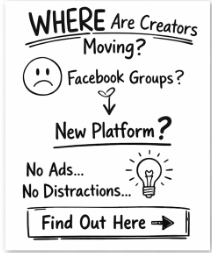
Creators are moving their communities off social media.
Why?
Because platforms like Facebook groups, while useful, come with problems:
- distractions from ads and other posts
- limited control over members
- poor organization for structured learning
- difficulty monetizing communities
As more creators begin selling digital products, courses, and memberships, they need a platform that combines learning, community, and engagement in one place.
This is where Skool comes in.
Skool has quickly become one of the most talked-about platforms among online creators because it allows you to host a community, sell courses, and manage members from a single dashboard.
In this guide, we’ll explain:
- what Skool is
- how it works
- its pricing (including the free plan)
- how creators make money using it
- why it’s becoming so popular
If you’re thinking about building an online community or selling knowledge online, this article will help you understand whether Skool is worth considering.
What Is Skool?
Skool is an online community platform designed for creators, coaches, educators, and entrepreneurs who want to build communities around their knowledge or expertise.
Instead of using several tools together, Skool brings everything into one place.
With Skool, you can:
- create a private community
- host online courses
- run live events and coaching calls
- manage memberships
- track engagement
Think of it as a combination of:
- a community platform
- a course hosting platform
- a learning hub
All integrated into a single, simple interface.
Many creators describe Skool as “a Facebook group designed specifically for learning and communities.”
The difference is that Skool removes the distractions of social media and focuses entirely on learning, interaction, and value sharing.
Key Features of Skool
One of the reasons Skool has grown so quickly is because of its simple but powerful features.
Let’s look at the core parts of the platform.
Community Discussions
At the center of every Skool group is the community feed.
Members can:
- ask questions
- share insights
- post updates
- comment on discussions
This creates a space where people with shared interests can interact and learn from each other.
Unlike social media groups, the environment is focused entirely on the community topic, making discussions more productive and relevant.
For creators, this means members stay engaged longer.
Classroom (Course Hosting)
Skool also includes a Classroom section where creators can host structured learning content.
You can organize lessons into modules and upload:
- video lessons
- text lessons
- resources and downloads
- step-by-step training programs
This makes it possible to sell online courses or structured learning programs directly within the community.
For many creators, this eliminates the need to use separate course platforms.
Calendar and Events
The platform also includes a built-in calendar that allows creators to schedule:
- live trainings
- webinars
- coaching calls
- community events
Members can easily see upcoming sessions and join when they are scheduled.
This helps communities stay active and engaged.
Gamification and Leaderboards
One of the unique features of Skool is its gamification system.
Members earn points when they:
- post in the community
- comment on discussions
- help other members
These points contribute to a leaderboard, which encourages participation and friendly competition.
Gamification keeps communities active and helps creators build stronger engagement with their members.
Why Creators Are Moving to Skool
Many creators are shifting to Skool because traditional platforms often make it difficult to build a focused community.
Here are a few reasons why.
Less Distraction
On social media platforms, your community competes with:
- ads
- unrelated content
- endless scrolling
This means members often get distracted before engaging with your content.
Skool removes these distractions and keeps members focused on the community experience.
Everything in One Place
Many creators used to manage multiple tools such as:
- a course platform
- a Facebook group
- email marketing software
- event platforms
This can become complicated and expensive.
Skool simplifies things by combining community, courses, and events into a single system.
Better Community Engagement
Because the platform is designed specifically for learning communities, engagement tends to be much higher.
Features like:
- leaderboards
- structured discussions
- easy course access
encourage members to participate more actively.
For creators, this means a more valuable community experience.
How Creators Make Money Using Skool
Skool is not just a community platform—it is also a powerful tool for monetization.
Creators use it in several ways.
Course Communities
Some creators sell courses combined with a community.
Instead of simply buying a course, members also gain access to:
- discussion groups
- coaching sessions
- peer learning
This increases the value of the course and improves student results.
Coaching and Mastermind Groups
Higher-level communities often include:
- coaching calls
- mentorship
- business training
These communities can charge significantly higher fees.
Some creators run mastermind groups that charge hundreds of dollars per month.
Skool Pricing (Including the Free Plan)
One of the most attractive aspects of Skool today is its flexible pricing options.
Free Plan
Skool now offers a free plan, which allows creators to explore the platform and start building a community without upfront cost.
This makes it easier for beginners to test the platform before committing to a paid plan.
Paid Community Pricing
Creators can also run communities starting at $9 per month, making it accessible for smaller groups and beginner communities.
This lower entry point allows creators to grow their communities gradually.
Creator Plan
For creators who want full control and advanced features, Skool offers a main plan priced at approximately $99 per month.
This includes:
- unlimited courses
- unlimited members
- community hosting
- events and calendar features
- engagement tools
Compared to paying for multiple platforms, many creators find this pricing reasonable.
Is Skool Worth It?
Skool can be extremely valuable for people who want to build community-driven businesses.
It works particularly well for:
- online educators
- course creators
- coaches
- digital entrepreneurs
- community builders
However, it may not be ideal for people who:
- don’t plan to create content
- don’t want to manage a community
- prefer traditional one-time course sales without interaction
The platform works best when creators actively engage with their members and provide ongoing value.
Final Thoughts
The internet is changing how people learn and build businesses.
Instead of simply selling courses, many creators are now building learning communities where people grow together.
Platforms like Skool make this possible by combining:
- courses
- discussions
- events
- memberships
into a single platform designed for creators.
With options like a free plan and entry-level communities starting around $9, it has become easier than ever for creators to experiment with community-based business models.
For anyone interested in teaching, building a network, or creating a knowledge-based business, Skool is definitely a platform worth exploring.
Explore Skool and start building your own community here:
👉 Skool
You might be surprised how powerful a focused online community can become.