TL;DR Skool is an all-in-one platform for hosting online communities, courses, discussions, and payments in one place. To start one: pick a single clear problem to solve, decide if it’ll be free or paid, organize your content into a simple classroom, focus on sparking conversation (not just posting lessons), and improve as you go. Yes, you can sell courses directly inside Skool and it’s worth it if you want one platform for community + courses + payments instead of stitching several tools together. It’s less worth it if you just need basic video hosting. Results depend entirely on consistent engagement, not the software itself.
Disclosure: This post contains affiliate/referral links and mentions some of my own paid digital products. If you sign up or purchase through a link here, I may earn a commission at no extra cost to you. I only recommend tools and platforms I’ve personally used.
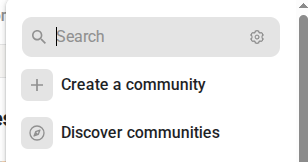
If you’ve been thinking about creating an online community to sell digital products, coaching, or courses, you’ve probably come across Skool.
Like many people, I initially joined Skool simply to explore what everyone was talking about. I wasn’t looking to move my business or replace the tools I already knew. I was curious.
What I discovered surprised me.
Instead of endless ads, distractions, and algorithm changes, I found focused communities where people were actually helping each other, learning, and making progress. Everything felt intentional. Conversations stayed on topic, courses were easy to access, and community members weren’t competing with viral content for attention.
That experience eventually inspired me to create my own free Skool community—Digital Quick Start—where I help aspiring digital entrepreneurs skip the tech overwhelm, discover AI tools, learn practical online income skills, and access both do-it-yourself and done-with-you support.
Today, I also use Skool to offer free training alongside affordable digital products like Making Faceless Theme Pages, How to Turn Knowledge Into Money, and The 48-Hour AI Income Machine.
If you’re wondering whether Skool is the right platform for you, this guide will help you decide.
What Is Skool?
Skool is an all-in-one platform that combines:
- Online communities
- Course hosting
- Discussions
- Events and calendars
- Gamification through points and leaderboards
- Member management
- Payments for paid communities
Instead of paying for separate platforms to host courses, manage discussions, process memberships, and keep members engaged, Skool brings everything together under one roof.
For creators, coaches, consultants, freelancers, and digital product sellers, that simplicity can save both money and time.
You can read more on What Is Skool and Why Creators Are Moving Their Communities Off Social Media.
Who Should Start a Skool Community?
Skool works especially well if you are:
- Selling digital products
- Building a personal brand
- Offering coaching or consulting
- Teaching a skill online
- Growing an affiliate marketing business
- Creating recurring income through memberships
- Building a loyal audience around a niche
It’s less about building the biggest audience possible and more about creating a community where people consistently engage and achieve results.
How Do I Start a Skool Community?
Starting a successful Skool community is simpler than most people think.
1. Pick one clear problem to solve
Don’t build a community around yourself.
Build it around one transformation.
People don’t join communities because they’re looking for another platform.
They join because they want help solving a problem.
Examples include:
- Learning AI tools
- Starting affiliate marketing
- Selling digital products
- Building a faceless content business
- Growing a coaching practice
The clearer your promise, the easier it becomes to attract the right members.
2. Decide whether your community is free or paid
I chose to make Digital Quick Start free because I wanted to remove barriers for beginners while introducing them to valuable training and affordable digital products.
A free community can become an excellent place to:
- Build trust
- Demonstrate expertise
- Grow an email list
- Introduce paid products naturally
- Generate referrals
Paid communities work well once you’ve proven people are getting consistent results.
3. Organize your classroom
One thing I appreciated after joining Skool was how easy it is to organize learning.
Instead of sending people to multiple websites, everything lives in one place.
You can organize:
- Beginner lessons
- Resource libraries
- AI tools
- Templates
- Checklists
- Premium courses
- Community updates
Members always know where to find what they need.
4. Create conversations, not just content
Many creators focus on uploading lessons.
Successful communities focus on creating conversations.
Ask questions.
Celebrate wins.
Answer member challenges.
Encourage introductions.
The strongest communities aren’t built on content alone.
They’re built on interaction.
5. Improve as you grow
One lesson I’ve learned is this:
Don’t wait until everything looks perfect.
Launch.
Listen.
Improve.
Communities evolve with their members.
Can You Sell Courses on Skool?
Absolutely.
In fact, this is one of the reasons many creators choose Skool.
I’ve used my own community to provide both free and paid learning experiences.
Some of the courses I’ve shared include:
- Making Faceless Theme Pages
- How to Turn Knowledge Into Money
- The 48-Hour AI Income Machine (free)
Instead of sending people through multiple systems, members can discover your community, participate in discussions, access your classroom, and purchase additional learning all within the same ecosystem.
This creates a smoother customer experience.
More importantly, people stay engaged after buying instead of disappearing once they’ve completed checkout.
That ongoing interaction often leads to higher customer satisfaction and repeat purchases.
Remember, though:
People don’t buy courses.
They buy outcomes.
Instead of asking, “How can I sell this course?”
Ask yourself:
“What result will someone achieve after completing it?”
That shift alone can dramatically improve your conversions.
Read more on what people ask: Can You Really Make Money With Skool Communities?
Is Skool Worth the Investment?
For many creators, yes.
But the answer depends on how you plan to use it.
If you’re simply looking for somewhere to upload videos, there are cheaper alternatives.
If you’re trying to build an engaged audience while hosting courses, managing discussions, growing relationships, and selling digital products from one platform, Skool offers significant value.
Personally, what stood out to me wasn’t just the software.
It was the quality of the communities.
Without constant advertising and endless social media distractions, conversations felt more meaningful and productive.
That environment encouraged me to build my own community.
What I Like About Skool
After using the platform, here are the biggest advantages I see:
Everything in one place
Courses.
Community.
Discussions.
Events.
Payments.
No jumping between several different tools.
Better engagement
Members log in because they want to participate not because they’re scrolling through endless entertainment.
Simplicity
The interface is clean and easy to navigate, even for beginners.
Strong community culture
Many Skool communities focus heavily on helping members achieve results instead of chasing likes and vanity metrics.
What Are the Limitations?
No platform is perfect.
Depending on your business, you may find that:
- Some advanced customization options are limited compared to building your own website.
- The platform emphasizes simplicity over endless design flexibility.
- Success still depends on consistent engagement. You can’t create a community, disappear, and expect it to grow.
Ultimately, your community’s value comes from the experience you create, not just the software you use.
My Biggest Lessons After Using Skool
If you’re planning to build your own community, these are the three lessons I’d share.
1. Start before your community is perfect.
Many people spend months designing logos, writing welcome posts, and tweaking settings.
Your members care more about getting results than perfect branding.
Launch first.
Improve later.
Join SKOOL NOW
2. Sell outcomes, not courses.
People don’t wake up wanting another online course.
They want confidence.
Income.
Freedom.
Skills.
Your products should always promise a meaningful transformation.
3. Engage consistently instead of chasing more members.
A community with 100 active members is often more valuable than one with 5,000 inactive members.
Relationships create retention.
Retention creates referrals.
Referrals create sustainable growth.
Frequently Asked Questions
Skool offers a free trial, and you can run a free community on the platform indefinitely. If you want to charge members for access, Skool takes a percentage of subscription revenue rather than charging a flat monthly fee. Check Skool’s official pricing page for current terms before committing, since pricing structures can change.
There’s no fixed timeline. It depends on your niche, how consistently you post and engage, and how clearly you’ve defined the problem your community solves. Treat any “get X members in Y days” claim you see online with healthy skepticism; consistent, honest engagement over months is the realistic path for most creators.
No, but it helps. Many creators start a free community first to build trust and demonstrate expertise before layering in paid offers, as described above.
No. Skool is a software platform (community + course hosting), not a compensation structure. That said, some individual creators use Skool to promote affiliate or income-focused offers, so evaluate any specific community or course on its own merits, not just because it’s hosted on Skool.
Final Thoughts
If your goal is to build a business around your knowledge, digital products, coaching, or affiliate marketing, Skool is worth serious consideration.
It helped change my perspective from simply exploring communities to creating one that supports people who want to skip the tech stress and start earning online.
Whether your community is free, paid, or somewhere in between, remember that people stay because they feel supported, make progress, and connect with others who share similar goals.
The platform provides the tools.
Your consistency, expertise, and willingness to serve are what turn a community into a thriving business.
If you’re still wondering whether to start, my advice is simple:
You don’t need a perfect community.
You need a clear mission, a willingness to help people, and the commitment to show up consistently. Everything else can improve as you grow.
A note on results: Building an online community takes real, ongoing effort. Nothing in this article is a promise or guarantee of income, follower counts, or sales. Individual results vary based on niche, effort, existing audience, and market conditions. Any income-related product names mentioned above (e.g., The 48-Hour AI Income Machine) are the titles of my own paid or free offers, not projections of what you’ll personally earn.